
How Do Cellular Honeycomb Blinds Compare to Other Window Coverings for Insulation, Light Control, and Style?
 "How Do Cellular Honeycomb Blinds Compare to Other Window Coverings for Insulation, Light Control, and Style?")
In many Australian homes, the window is where comfort is won or lost. On hot days, sunlight can lift indoor temperature and drive up cooling costs. On cold nights, heat loss around a window frame can leave living spaces feeling draughty even when the heater is on. The right window coverings can help you manage comfort, privacy, and style without turning your home into a cave.
Cellular honeycomb blinds, also called honeycomb blinds, cellular blinds, cellular shades, and honeycomb shades, are popular because they combine insulation and a clean look in one blind. This guide shows how they compare with other quality window coverings and how to choose the right fabric, fit, and controls.
What Are Cellular Honeycomb Blinds and Why Are Honeycomb Blinds So Popular?
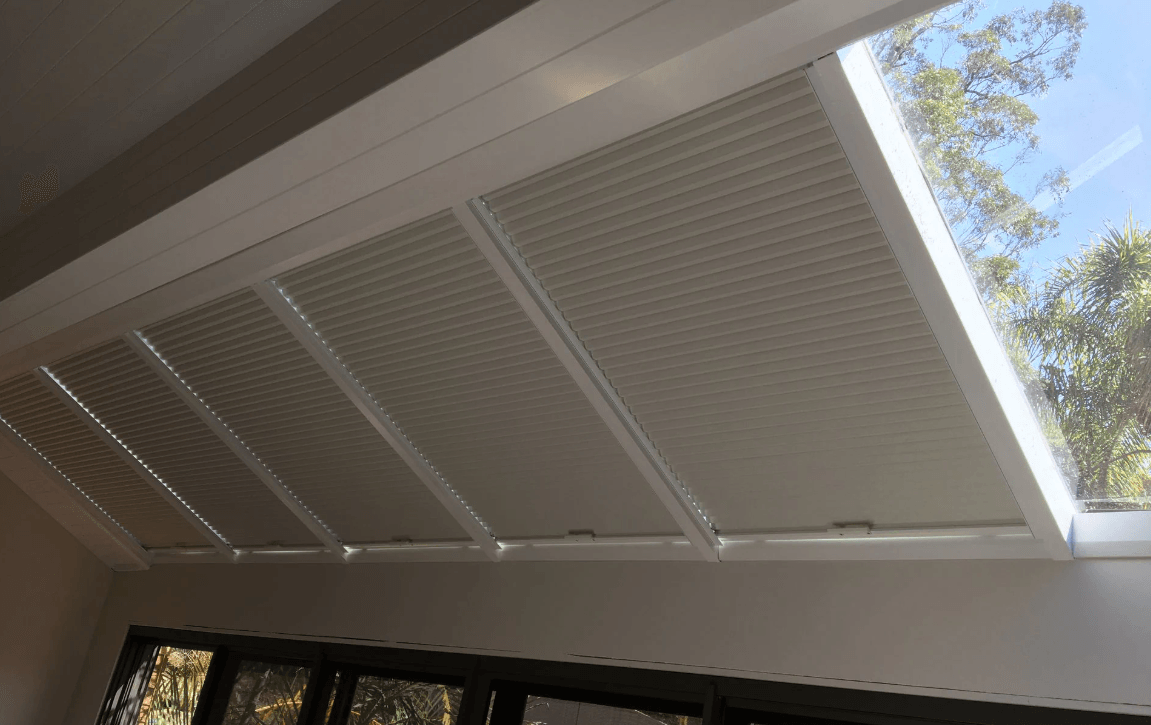
Cellular honeycomb blinds are built around a unique honeycomb structure. The blind folds like pleated blinds, and when they are lowered, the honeycomb fabric forms a series of cells. Those cells create air pockets that trap air and slow heat movement. Put simply, honeycomb blinds work because the cell structure adds insulating properties right at the window.
This unique construction is offered in practical choices such as single-cell and double-cell designs, different cell size options like 25 mm, 45 mm, and 62 mm, and wide spans that can suit large windows up to about 3000 mm. You can also choose a day and night style where sheer fabrics and room darkening sit in one blind, plus a range of headrail colours to match your window furnishings.
Beyond temperature comfort, some households like cellular shades because the cells can help absorb sound and improve sound absorption in echo-prone rooms. Think of it as a comfort bonus, not a promise, and it works best alongside other soft furnishings.
How Do Cellular Blinds and Cellular Shades Compare to Roller Blinds and Pleated Blinds?
If you are weighing up cellular blinds against other window coverings, compare them by what they do best:
Roller blinds: straightforward light control with lots of fabric choices, including blockout fabric in some systems, but usually less superior insulation because there is no cell structure.
Pleated blinds: a soft look, but a single pleated layer typically has fewer air pockets, so the insulating properties are not as strong as a unique cell structure.
Cellular shades: cellular blinds offer insulation first, then style, with light filtering and room darkening fabric options available.
Why Does Energy Efficiency Matter When Cellular Blinds Offer Superior Insulation?
Energy efficiency is not only about saving money, it is also about making your home feel steady and comfortable. Windows can be a weak point for temperature changes, so improving insulation at the window can help keep a home insulated and reduce the load on heating and cooling. Over time, that can support an energy-efficient home and help lower energy bills.
Cellular honeycomb blinds work by creating a buffer of trapped air between the glass and the room. If your lounge gets afternoon sun, a well-fitted honeycomb blind can help keep the room cool in summer. In winter, that same insulation layer can reduce heat loss and help keep the home warm.
To keep expectations realistic, performance depends on fit, window size, and the fabric you choose. That is why cellular blinds cost should be weighed against comfort improvements and ongoing energy costs, not only the upfront price.
How Can Light Filtering and Light Control Balance Natural Light and Complete Privacy?
Light is personal. You might want natural light in the morning, softer light in the afternoon, and complete privacy at night. Light filtering fabrics gently diffuse daylight, helping reduce glare while keeping rooms bright. They are a popular choice in living areas and street-facing rooms where you want privacy control without losing daylight.
In bedrooms and media rooms, many people choose room-darkening fabrics, and some systems use blockout fabric for near total darkness. Honeycomb blinds can be specified to increase light blocking at night while still keeping a soft, tailored look during the day, especially with a day and night style.
The other issue to plan for is light gaps. Light gaps can appear at the sides of any blind if the fit is loose or the mounting choice does not suit the window type. This is why made-to-measure sizing and good installation matter.
How Do Double-Cell and Single-Cell Designs Improve Energy-Efficient Comfort and Superior Energy Efficiency?
When you compare cellular honeycomb blinds, you will see both single-cell and double-cell options.
A single cell has one layer of cells facing the room.
Double cell stacks two layers of cells.
Double cell designs increase trapped air, which can improve energy efficiency and support enhanced thermal insulation in rooms that heat up or cool down quickly. They are often considered for large windows, west-facing glass, and bedrooms where comfort is the priority.
A single cell can still be a good quality option when you want a slimmer look, or when the room does not have extreme temperature swings. The best choice depends on your home, your goals, and your budget.
How Do Cell Size and Window Size Affect Light Gaps, Fit, and Ultimate Control?
Cell size affects both appearance and performance. Larger cell size options can suit wide spans and large windows, while smaller cells can look more refined on compact openings. What matters most is how well the blind fits your window size and window type.
A made-to-measure fit is especially important for narrow window recess openings, wide glass panels, and specialty windows such as skylights.
If your main goal is ultimate control, focus on fit first.
Which Control Options Provide Greater Control, From Cord Lock to Smartphone App?
Control options are where comfort becomes effortless. You can choose a traditional cord lock, a cordless style, or a cord-free option, depending on what suits your home and safety needs. Cord free setups can also be child safety compliant when installed correctly.
If convenience is a priority, motorised systems can be operated by remote, wall control, or a smartphone app. This can be helpful for high windows and routines where you want consistent light control. You can also set habits such as closing blinds during peak sun and opening them to enjoy morning light.
Top down bottom-up operation is another feature many people love. It gives you privacy control at eye level while still letting light in from above, which is ideal for street-facing windows.
What Expert Advice Helps You Choose the Perfect Solution, Minimal Maintenance, and Year-Round Comfort?
A good comparison ends with a clear decision path. Cellular honeycomb blinds are often the smart choice when you want superior insulation, flexible light filtering, and a neat finish that suits modern homes. To choose well, focus on these steps:
Confirm your priorities: energy efficiency, privacy, light, or all three.
Check the window: measure the window recess and window frame, and note the window type and any handles.
Choose the build: single cell or double cell, and the right cell size for the window size.
Choose the fabric: light filtering for daylight, room darkening for sleep, and day and night designs that combine sheer fabrics with stronger shading.
Pick controls: cord lock, cordless, cord-free, motorised, and top down bottom up if you want extra flexibility.
Minimal maintenance is another benefit. Regular dusting with a feather duster is often enough. You can use a vacuum cleaner with a soft brush, or a damp cloth for small marks. If dust settles inside the cells, you can simply blow it out with a hair dryer on a cool setting. If your fabric is described as anti-static, that can help reduce dust cling, but simple habits are still the key to keeping the blind looking good quality.
For tailored guidance and made-to-measure cellular honeycomb blinds, book a free, no-pressure measure and quote with Premier Shades and request expert advice.
After you book a consultation and your cellular blinds are made to suit your window, you can feel the difference: cooler rooms in summer, a home warm in winter, fewer light gaps, and greater control over privacy and light, all in one clean, modern solution.
Works Cited
"Cellular Honeycomb Blinds - Central Coast & Hornsby." Premier Shades, https://www.premiershades.com.au/cellular-honeycomb-blinds.html. Accessed 9 Jan. 2026.
"Best Blinds to Keep the Heat In? Honeycombs!" Premier Shades, https://www.premiershades.com.au/blog/best-blinds-to-keep-the-heat-in--honeycombs. Accessed 9 Jan. 2026.
"Windows." Energy.gov.au, https://www.energy.gov.au/households/windows. Accessed 9 Jan. 2026.
"Winter Energy Savings." Energy.gov.au, https://www.energy.gov.au/households/household-guides/seasonal-advice/winter. Accessed 9 Jan. 2026.
"Insulation and Draught Proofing." Energy.gov.au, https://www.energy.gov.au/households/insulation-and-draught-proofing. Accessed 9 Jan. 2026.
"Blinds, Curtains and Window Fittings Mandatory Standard." Product Safety Australia, https://www.productsafety.gov.au/business/search-mandatory-standards/blinds-curtains-and-window-fittings-mandatory-standard. Accessed 9 Jan. 2026.
"Blind and Curtain Safety." NSW Government, https://www.nsw.gov.au/legal-and-justice/consumer-rights-and-protection/safety/other-consumer-products/blind-and-curtain-safety. Accessed 9 Jan. 2026.
"Energy-Efficient Window Coverings." Energy Saver, https://www.energy.gov/energysaver/energy-efficient-window-coverings. Accessed 9 Jan. 2026.
Frequently Asked Questions:
What Are Cellular Honeycomb Blinds and How Do Honeycomb Blinds Work?
Cellular honeycomb blinds are window coverings made from pleated fabric that forms a unique honeycomb structure when lowered. This cell structure creates air pockets that traps air between the glass and your living spaces. That trapped air adds insulating properties, which can support superior insulation and help keep indoor temperature steadier through the day. This is why many people say honeycomb blinds work so well for year round comfort.
Do Cellular Honeycomb Blinds Improve Energy Efficiency and Help Reduce Energy Costs?
Yes, cellular blinds offer a practical way to support energy efficiency because the trapped air in the cells can reduce heat loss in winter and slow heat coming in during summer. When your window coverings help reduce heat transfer at the window frame and window recess, your heater and air conditioner may not need to work as hard. That can help with energy costs, cooling costs, and energy bills over time. Results vary based on window type, window size, fabric choices, and how well the blind is made to measure.
What Is the Difference Between Single Cell and Double Cell Cellular Blinds?
Single cell designs have one layer of cells, while double cell designs have two layers stacked together. Double cell products usually provide enhanced thermal insulation and may deliver superior energy efficiency because they create more air pockets to trap air. Single cell can still be a smart choice when you want a slimmer look or your windows do not experience extreme temperature swings. The best option depends on your goals, the window type, and how much insulation you want.
How Can I Reduce Light Gaps and Improve Light Control With Cellular Blinds?
Light gaps often happen when the blind does not match the window frame or window recess properly. The most reliable fix is choosing made to measure cellular honeycomb blinds, then selecting a mount style that suits your window type. If you need stronger light blocking, room darkening or blockout fabric options can improve light control. You can also choose control options like top down bottom up for greater control of privacy and natural light during the day, while still supporting complete privacy at night.
What Is the Best Way to Clean Cellular Honeycomb Blinds With Minimal Maintenance?
Most honeycomb blinds only need minimal maintenance. For regular cleaning, use a feather duster or a vacuum cleaner with a soft brush to remove dust from the fabric. For small marks, wipe gently with a damp cloth, then let it dry naturally. If dust settles inside the cells, you can simply blow it out using a hair dryer on a cool setting. Avoid soaking the honeycomb fabric forms or using harsh chemicals, as gentle care helps keep the blind looking good quality for longer.