
Folding Arm Awnings: Custom Shade, UV Protection, And Smart Motorisation?
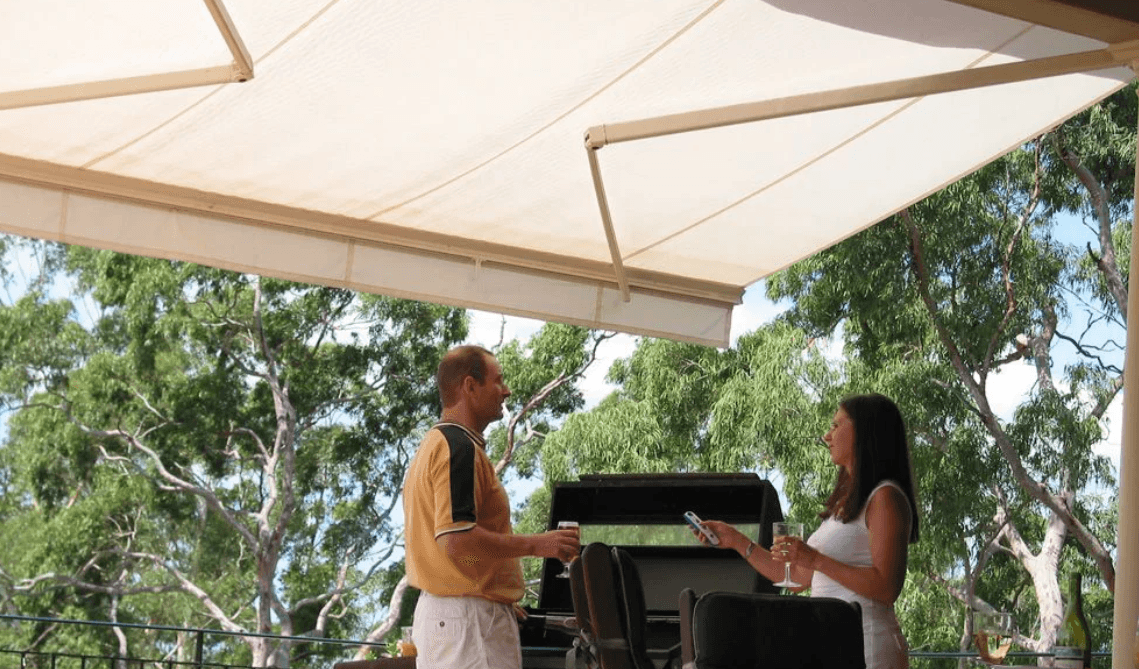 "Folding Arm Awnings: Custom Shade, UV Protection, And Smart Motorisation?")
Outdoor living is part of the Australian lifestyle, but the sun, wind, and sudden rain can make it hard to enjoy patios, terraces, and courtyards all year. That is where folding arm awnings can make a real difference. When you choose the right retractable awnings, you can create flexible shade when you need it, then retract them at night or during rough weather to keep your exterior areas open and tidy. In this guide, you will learn how arm awnings work, what to look for in fabric and fabric tension, how motorised options and a wind sensor can protect your space, and what a good installation should include so your awning performs well in a harsh Australian climate.
What Are Folding Arm Awnings, Arm Awnings, And Retractable Awnings?
A folding arm awning is a type of awning that uses engineered arms to extend a fabric canopy outward and then fold back in when you retract it. Many people also call them arm awnings or retractable awnings, because the main feature is the ability to extend and retract the shade as your day changes.
Here is the simple idea:
Folding arm: the arms open out to support the fabric, then fold back when retracted
Retractable awnings: you can extend the awning when the sun is strong, and retract it when you want open sky
Flexible shade: you can adjust how much shade you want, rather than having a fixed roof over your outdoor space
This matters because the australian market values outdoor areas that are both practical and stylish. A retractable system can suit different homes, different space sizes, and different ways people use patios, courtyards, and terraces. You can enjoy breakfast with soft light, get glare control at midday, and open it up again at night for airflow and a clear view.
Why Do Folding Arm Awnings Suit The Harsh Australian Climate And The Australian Market?
Australia’s sun can be intense, and UV levels can stay high in many areas across the year. That is why shade is not just about comfort, it is also about protecting people and interiors from harsh light and heat. When shade blocks direct sun from hitting windows and doors, it can reduce indoor heat build-up and improve comfort.
In real life, folding arm awnings also help you manage everyday weather changes:
Sun and heat: shade can make outdoor areas more usable during hot afternoons
Wind: gusts can put stress on the awning and the arms if it stays extended in rough conditions
Rain: light rain can happen, but these awnings are mainly designed for sun rather than storms
Debris and dirt: leaves, dust, and grit can collect, especially if you extend the awning near trees
A key point for safety and long-term performance is wind. Folding arm awnings are typically used for sun protection, and they are not meant to stay out in strong gusts. If wind is common where you live, it helps to plan for protection features and good habits so the awning can be retracted quickly when conditions change.
How Do Fabric, Fabric Tension, And Colours Affect Shade, Light, And Style?
The fabric is the working surface of your awning. It blocks sun, filters light, helps reduce glare, and sets the look of your outdoor space. The best choice is not only about style, it is about performance.
When you compare fabric options, think about:
Shade level: do you want bright filtered light or deeper shade for comfort?
Glare reduction: helpful for outdoor dining and areas near glass doors
Colours: lighter colours can feel open, while deeper colours can feel cosy
Style match: does it complement the exterior and any existing blinds or window furnishings?
Cleaning: some fabrics cope better with dirt and dust, which can matter in windy areas
Fabric tension matters as much as fabric type. Good fabric tension helps the canopy keep its shape across the width and projection. It also supports a more elegant finish, reduces sag, and can improve stability when the awning is extended.
If you are deciding between grey and brown, picture the full scene. Grey often suits modern exteriors and crisp lines. Brown can blend well with natural tones, outdoor timber, and warm landscaping. The perfect option is the one that fits your home, your patio use, and your comfort needs.
What Sizes, Width, And Projection Should You Choose For Folding Arm Awnings?
Choosing the right width and projection is one of the biggest “make or break” steps, because it affects how much shade you create and how your outdoor space feels once the awning is installed.
A helpful way to think about it is:
Width: how wide you want the shade to cover across your doors, windows, or outdoor setting
Projection: how far you want the awning to extend outward to cover seating or a walkway
Many homeowners plan shade for a table, lounge area, or play space. If the projection is too short, you might still get sun on the edge of the area. If the width is too narrow, you might shade the door but not the space where people sit.
In many setups, folding arm awnings can be made to generous sizes, with common maximums reaching up to about 7 metres in width and up to about 4 metres in projection, depending on the specific application and site conditions. For larger areas, two awnings can sometimes be installed side by side to create a wider shaded zone, which can suit bigger patios or long outdoor walls.
To choose confidently, take a simple approach:
Measure the outdoor space you want to shade
Mark where the sun hits at different times of day
Decide what needs to be shaded most: dining area, doors, windows, or a walkway
Consider how you want the space to look when the awning is retracted at night
This sizing step is also where expertise matters. A trained team can help you match the size to the building structure and the way the awning will be supported once it is installed.
How Can Motorised Options And A Wind Sensor Improve Comfort And Protect Your Awning?
Many people start by thinking about manual operation, then realise how often they will use the awning if it is motorised. Motorised options make daily use easier, especially when you want shade quickly or when you need to retract the awning without effort.
A wind sensor is one of the most practical upgrades for retractable awnings. In plain language, it can detect strong wind and trigger the awning to retract automatically. This helps protect the arms, the fabric, and the mounting points, especially if you are not home or you are busy.
Here is what motorised and sensor features can add:
One-touch control to extend and retract
Smoother operation, which can support reliable performance over time
Faster action when wind picks up
More confidence using your awning regularly, not just occasionally
Better habits, because it is easier to retract at night or when weather changes
Even with smart features, it is still wise to retract the awning in bad conditions. Folding arm awnings are not designed for strong wind above typical comfort levels, so the sensor is a safety helper, not a licence to leave the awning out during rough weather.
Where Should You Install An Awning For Patios, Terraces, And Courtyards To Create Flexible Shade?
Placement is where function meets comfort. The goal is to create shade where you actually live, not just where it looks nice.
Common outdoor spaces that suit folding arm awnings include:
Patios: create a shaded dining zone and reduce direct sun on sliding doors
Terraces: add comfort without blocking the open feel
Courtyards: improve usability in compact spaces where shade matters most
When you plan where to install, think about what you want to protect and what you want to enjoy. For example, if afternoon sun hits your outdoor table, you may want the awning to extend far enough to cover the seating area, not just the doorway. If glare is an issue through glass, placement can reduce harsh light entering the home.
A simple “day plan” can help:
Morning: you may want partial shade and gentle light
Midday: shade becomes the priority for heat and comfort
Late afternoon: angled sun can cause glare, so shade improves usability
Night: retracting can open airflow and keep the space feeling bigger
What Does A Quality Installation Involve For Engineered Arms, Wind, And Long-Term Performance?
A good installation is not just about attaching brackets. It is about making sure the awning is supported, aligned, and suited to the building surface. This is especially important in a harsh australian climate, where wind can test the system.
Key installation details to consider include:
Structural fixing: the awning must be supported with the right mounting method for the wall type
Alignment: a system that is not square can wear unevenly and look less tidy
Clearance: doors, lighting, and outdoor fittings should not be blocked when extended
Angle: some pitch can help manage light rain, but these awnings are mainly for sun
Smooth operation: whether manual or motorised, it should feel stable and consistent
Because folding arm systems rely on arms to hold the canopy, the arms do a lot of work. When the awning extends, those arms carry load and keep the fabric stable. That is why the phrase engineered matters. The design and build quality of the arms, joints, and fittings can affect how the awning performs, how smoothly it is operated, and how long it lasts.
It also helps to think about how your awning fits into your overall exterior setup. Outdoor shading can pair well with interior blinds for better light control. External shade reduces heat and glare at the window, whilst indoor blinds help fine-tune brightness and privacy.
What Should You Do Next If You Want Folding Arm Awnings That Feel Perfect For Your Home?
If you want to move from ideas to action, keep it simple. The goal is not only to choose an awning, but to choose a setup that looks stylish, feels comfortable, and performs well over time.
A practical checklist:
Measure your outdoor space and note where the sun hits
Decide how you want to use the area: dining, relaxing, or play
Choose fabric and colours that complement your exterior
Decide whether motorised options suit your household and daily routine
Plan for wind protection, including a wind sensor if wind is common
Ask about warranty coverage so you know what is supported
Organise professional help for installation so the awning is properly supported
When you follow these steps, you can choose with confidence and avoid the common regret of “we should have gone wider” or “we should have chosen a better projection”.
What Is The Best Call To Action For Folding Arm Awnings, And What Should You Remember In The Conclusion?
If you are ready to make your outdoor space more usable, folding arm awnings can help you create shade where it matters most. They can reduce glare, improve comfort during hot afternoons, and give you control over sun and light without permanently closing in your patio or terrace. With the right fabric, solid fabric tension, and the right width and projection, the result can feel both elegant and practical. Add motorised control and a wind sensor, and the awning becomes easier to use and easier to protect when conditions change.
If you want folding arm awnings that are custom-made for your outdoor space, with options for motorised operation and wind protection, visit Premier Shades to explore the range, request an in-home measure and quote, contact the team, and download helpful product information.
In the end, the best awning choice is the one that suits your home, your space, and the way you actually live. When the sun is strong, you can extend shade and enjoy your outdoor area. When wind rises or the day cools down, you can retract it, protect it, and keep your exterior looking clean and open. That balance of comfort, control, and everyday ease is what makes folding arm awnings such a popular option for Australian homes.
Works Cited
Australian Government. Blinds, Curtains and Window Fittings Guide. Product Safety Australia.
Australian Government. Corded Internal Window Coverings: Installation Guide (PDF). Product Safety Australia.
Australian Radiation Protection and Nuclear Safety Agency. Ultraviolet Radiation Index. ARPANSA.
Australian Radiation Protection and Nuclear Safety Agency. Ultraviolet Radiation in Australia. ARPANSA.
Bureau of Meteorology. About the UV Index. Australian Government.
Bureau of Meteorology. Ultraviolet (UV) Index Forecast. Australian Government.
Premier Shades. Folding Arm Awnings. https://www.premiershades.com.au/folding-arm-awnings.html. Accessed 21 Jan. 2026.
Premier Shades. Warranty. https://www.premiershades.com.au/warranty.html. Accessed 21 Jan. 2026.
YourHome. Shading. Australian Government.
Frequently Asked Questions:
What Are Folding Arm Awnings Best Used For In Everyday Life?
How Do I Choose The Right Width And Projection For My Outdoor Space?
Are Motorised Options Worth It For Retractable Awnings?
How Does A Wind Sensor Help Protect An Awning In Windy Conditions?
What Simple Maintenance Helps Keep Retractable Awnings Performing Well Long Term?
| Tags:Awnings |