
Venetian Blinds and Other Window Furnishings: A Complete Style and Functionality Comparison
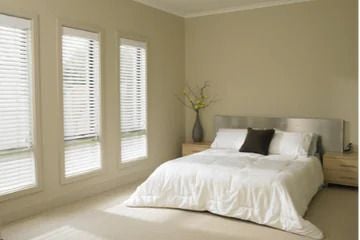 "Venetian Blinds and Other Window Furnishings: A Complete Style and Functionality Comparison")
Choosing window furnishings for your own home is not just about looks. The right window covering affects light, privacy control, comfort, energy use, and even how easy it is to keep dust under control. Research on windows and shading shows that blinds, curtains, and shutters can cut both heat loss in winter and heat gain in summer when they are used well.
Among all the options, venetian blinds stand out as a versatile window covering that suits many rooms, from compact spaces and laundries to larger living rooms and bedrooms. They combine adjustable slats with a simple tilt mechanism so you can simply adjust incoming light without blocking it completely, or close everything for complete privacy when you need it.
This article walks through how venetian blinds compare with other window treatments, using the kinds of products and choices you will find at Premier Shades. We will look at different materials, styles, and customisation options, and how these work across various rooms and windows.
What Makes Venetian Blinds Such a Versatile Window Covering?
Venetian blinds are built around horizontal slats that hang from top brackets and are lifted or tilted with a cord or wand. This simple design gives you a lot of control. You can angle the slats for fine light control, open them to flood the room with natural light, or close them for almost complete privacy. Because the slats sit close to the glass, they also act as an extra layer of insulation that helps limit heat gain or loss through windows, especially when used with other window treatments like lined curtains.
Some key reasons people choose venetian blinds as a great option include:
They suit many window sizes, including tall windows and compact spaces.
Adjustable slats let you control incoming light while still seeing out.
They work with a wide range of colours and materials, from timber to aluminium and pvc.
They sit neatly within the window frame, giving a sleek and modern look.
Compared with soft window furnishings like curtains, venetians feel more structured and functional. Compared with shutters, they usually have a lighter look and a lower purchase cost, while still giving strong functionality and control. When you choose venetian blinds made from high-quality materials, they can be both durable and timeless, especially if you maintain them with a quick wipe using a damp cloth to remove dust.
How Do Timber Venetian Blinds Bring Warmth And Classic Style To Your Rooms?
Timber venetian blinds are popular because they add real warmth, luxury, and classic style to living rooms and bedrooms. The natural look of wood helps soften a space that has a lot of hard surfaces such as tiles, stone or glass. The slats can match existing timber floors, furnitur,e or trims so the whole room feels more connected and calm.
In terms of style, timber venetian blinds work beautifully in:
Classic interiors that favour traditional colours and natural materials
Modern spaces that need a softer element to complement cleaner lines
Bedrooms where warm tones and gentle light feel more relaxing
Timber venetians still use the same tilt mechanism as other venetian blinds, so you get strong privacy control without losing the character of wood. You can close the slats for blockout at night or angle them to let filtered light fall across the room during the day.
Because timber is a natural material, you do need to think about moisture. These blinds are usually better suited to dry rooms rather than wet zones. A timber venetian in a bathroom or laundry that has constant steam or moisture is more at risk of warping or stains over time. In these rooms, other materials will generally suit better.
When you dust them regularly and wipe them with a damp cloth as needed, timber venetian blinds can keep their finish for many years. Choosing custom-made options in high-quality materials allows you to match colours across your windows and get a guaranteed fit that looks intentional, not like an afterthought.
Why Are Aluminium Venetian Blinds And Aluminium Venetians A Sleek, Functional Choice?
Aluminium venetian blinds give you a very different feel. They are thin, light and sleek, with narrow slats that sit close to the glass. Aluminium venetians tend to suit compact spaces, contemporary apartments, and functional rooms where durability and low maintenance really matter.
Because aluminium resists moisture, these blinds are a great option for:
Bathrooms with frequent steam and splashes
Kitchens where cooking creates moisture and airborne grease
Laundries, where condensation is common
Rental properties that need robust, durable window coverings
Like all venetians, aluminium venetian blinds use a tilt mechanism so you can fine-tune light control. You can simply adjust the horizontal slats to cut glare while still letting in natural light. In bright rooms, you can angle the slats upwards so incoming light reflects off the ceiling instead of shining straight into your eyes.
Cleaning is straightforward. The smooth, hard surface means dust does not cling as strongly as it does to some soft window treatments. You can usually wipe each slat with a damp cloth and then wipe it dry, which fits well with low-maintenance routines promoted in healthy home guidance.
In many homes, aluminium venetians complement other window treatments: you might use them in service spaces and small windows, while using curtains or shutters in larger living areas. The result is a cohesive range of window furnishings that still respects the different needs of each room.
What Should You Consider When Installing Venetian Blinds In Different Rooms?
Installing venetian blinds is not just about measuring the width and height, clicking brackets into place and hanging the blind. To get the best functionality, it helps to think carefully about each room and how it is used.
For bedrooms, people often want:
Strong privacy control at night
Softer light in the morning without feeling exposed
A calm, timeless look that will not date quickly
Here, venetian blinds can be paired with blockout curtains to improve darkness and insulation. Studies on window coverings show that combining close-fitting blinds or curtains with well-designed windows can noticeably cut heat loss and improve comfort.
For living rooms, the focus is often on natural light and views. A venetian blind allows you to tilt the slats so you keep incoming light while avoiding glare on screens. When you choose venetian blinds in colours that match your walls or trims, the blind almost disappears when they are fully raised, which keeps the space feeling open.
In a bathroom, laundry or kitchen, moisture becomes a key factor. When installing venetian blinds in these rooms, you want materials that can handle humidity and are simple to wipe. Aluminium or pvc venetians usually perform better here than untreated timber, because they resist moisture, are easy to maintain, and can be cleaned quickly with a damp cloth.
It is also worth thinking about:
Where the cord hangs and how easy it is to reach
How the blind will open around handles and inward-opening windows
Whether the blind is inside mount or outside mount on the frame
Guidance from product safety and consumer agencies around the world stresses that cord safety matters, especially in homes with young children. Keeping cords short, secured and out of reach helps reduce risk and keeps every room functional and safe.
When Do Custom Venetian Blinds Offer The Best Functionality And Style?
Off-the-shelf blinds can be tempting, but custom venetian blinds give you a much better result for tricky windows and for a polished finish throughout the whole space. A custom-made blind is measured to the exact size of your windows, so the fit is neat and the slats sit where they should.
Custom venetian blinds also mean you can:
Select from a wide range of colours, finishes, and materials
Match the window covering to trims, floors, furniture, and other window treatments
Choose cord position, control type, and bracket style to suit the way you use the room
Make sure the blind clears the window handles and frames properly
For unusually tall windows, corner windows or compact spaces with built-in joinery, the ability to control the exact size and mount position is a real advantage. You can install the blinds so they move freely without bumping into furniture or cupboards, and the finished look feels intentional.
A specialist provider such as Premier Shades also offers advice on which materials best suit different rooms, whether aluminium, timber or PVC will give you the durability and functionality you need, and whether to combine venetians with blockout curtains or other window treatments. That level of service and guidance gives many homeowners confidence that their purchase will be well supported and, in many cases, backed by a clear, written warranty that effectively guarantees quality and fit.
Are Cedar Venetian Blinds Right For Your Home’s Warmth And Luxury?
Many timber styles, such as cedar venetian blinds and other woodgrain venetians, sit at the premium end of timber venetians. Timber finishes such as cedar often have a fine grain and rich colour that bring a sense of warmth and luxury to a room. For many people, timber styles such as cedar venetian blinds are a statement piece, working especially well in:
Formal living rooms
Feature bedrooms
Home offices where natural wood helps soften screens and equipment
Because timber such as cedar is a natural wood, it offers a timeless character that does not rely on bold colours or patterns. The slats themselves become part of the styling, casting soft lines of light across the room when you tilt them open. When closed, they offer strong privacy control while still feeling more organic than metal or pvc.
Timber styles such as cedar venetian blinds are generally best in spaces that are not constantly damp. In wet rooms, regular exposure to moisture can shorten the life of raw timber and make it harder to maintain. Guidance on energy efficient windows also reminds homeowners to avoid condensation build up where possible, since excess moisture can damage both frames and window coverings.
To look after timber venetians, including cedar venetian blinds, you usually:
Dust regularly so dust does not build up in the grain
Wipe with a slightly damp cloth, then wipe dry so moisture does not sit on the slats
Treat any stains quickly rather than letting them soak in
When cared for properly, timber venetians such as cedar venetian blinds can stay durable and attractive for many years, complement other timber elements in the home, and suit both classic and modern interiors.
How Can Light Control And Light And Privacy Shape Each Room?
Light control is one of the main reasons people invest in good window furnishings. Research on window shading shows that managing incoming light is also one of the easiest ways to keep rooms more comfortable without relying only on heating and cooling systems.
Venetian blinds are strong performers in this area because adjustable slats give you so many options:
Open slats to let in natural light during the day.
Angle slats to cut glare on screens while still keeping the room bright.
Close slats for complete privacy at night.
In a living room, the ability to simply adjust the tilt mechanism as the sun moves makes venetians very functional. In bedrooms, combining them with blockout curtains or other window treatments can give you both soft daytime light and a dark environment for sleep.
Compared with soft window coverings, venetians:
Offer finer control over the direction of light
Take up less space around the window frame
Work well behind decorative curtains to add an extra layer of control
Compared with shutters, venetian blinds usually have slimmer profiles and lighter weight, which can suit smaller windows and compact spaces. Shutters, however, may provide even stronger insulation and can feel more solid when fully closed. Each approach has its own strengths, so many homes use a mix of shutters, venetians, roller blinds and curtains across different rooms.
If energy efficiency and comfort are priorities, the key is to use any window covering actively. Opening to capture winter sun and closing to block harsh heat in summer can significantly improve how each room feels, whatever type you choose.
How Do Venetian Blinds Compare With Other Window Treatments In Everyday Use?
When you compare venetian blinds with other window treatments, it helps to look at daily life in your own home.
Maintenance and cleaning
Soft window furnishings like curtains can trap more dust and may need full laundering or professional cleaning. Studies on indoor air quality suggest that blinds, including venetian blinds, should be dusted regularly to limit allergens.
Venetians are generally low maintenance because you can:
Wipe slats with a damp cloth and then wipe them dry.
Use a soft brush or vacuum attachment to remove dust from each slat.
Spot clean stains carefully without removing the whole window covering.
Functionality and control
Venetians are very functional for everyday use because they offer both light and privacy control in a single product. You can tilt the slats, lift the blind, or combine it with other window treatments:
In bedrooms, use venetian blinds with blockout curtains for extra darkness.
In living rooms, use venetians behind sheers to soften the look.
In kitchens and laundries, aluminium venetians handle moisture and wipe clean.
Space and style
Because the blind sits neatly inside the frame, it can be ideal for compact spaces where bulky curtains would crowd the room. The sleek profile also works well in modern interiors that favour clean lines. At the same time, timber and cedar options can bring warmth and luxury to more classic spaces, so venetians can complement many styles.
Across all of these comparisons, venetian blinds stand out for their mix of functionality, durability, and the many benefits they offer day to day. They may not replace every other window covering in the home, but they fit comfortably alongside shutters, roller blinds and curtains as one of the most adaptable options on the market.
How Can You Choose Venetian Blinds That Truly Suit Your Home?
With so many choices in colours, materials and styles, it helps to think about what you want each room to feel like and how you will actually use the windows.
A simple way to narrow things down is to ask for each space:
How important is strong light control versus softness and texture
Whether moisture is present, such as in a bathroom, kitchen or laundry
How often will you open and close the blinds each day
What style you want to complement the existing furniture and finishes
For dry living rooms and bedrooms, timber venetian blinds and cedar venetian blinds can bring warmth and a timeless look that works in both classic and modern schemes. For busy functional spaces, aluminium venetian blinds or PVC options can be more durable and easier to maintain, especially where moisture or splashes are common.
You can also think about:
Whether you want cords, wands or motorised control
How the blind will work with existing shutters or other window treatments
Which colours will match skirting, architraves and wall paint
Whether you plan to add curtains later to complement the venetians
A custom-made solution from Premier Shades means you can choose from a broad range of materials and colours, and know that the installation will be handled for you. Accurate measuring, solid brackets and professional installation all help the blind sit square, work smoothly and feel guaranteed to last. When a specialist team looks after both the purchase and the fitting, you get a window covering that feels like part of the room, not an afterthought.
Final Thoughts
Venetian blinds remain one of the most adaptable options in the world of window furnishings. With horizontal slats, a simple tilt mechanism and a choice of materials such as timber, cedar, aluminium and pvc, they can be tailored to suit many different rooms, styles and budgets. When you compare them with other window treatments, venetians offer a rare balance of light control, privacy control, durability and low maintenance, especially when correctly matched to each space.
Whether you are refreshing a single bathroom window or planning a whole home of new blinds and shutters, taking time to understand the strengths of venetian blinds will help you choose well. Focusing on high-quality materials, the right colours, and a proper custom-made fit means your windows will look polished, feel comfortable to live with, and work reliably for years.
For guidance that is specific to your windows, your rooms and the way you live, it makes sense to work with a specialist who understands both style and functionality.
To explore a full range of venetian blinds, timber venetian blinds, aluminium venetian blinds and other custom venetians that will complement your own home, visit Premier Shades and request a personalised measure and quote. Call today at (02) 9139-6797.
Works Cited
“Energy Efficient Window Coverings.” Energy Saver, Office of Energy Efficiency and Renewable Energy, United States Department of Energy, www.energy.gov/energysaver/energy-efficient-window-coverings.
“Windows.” Energy.gov.au, Australian Government, www.energy.gov.au/households/windows.
“Glazing.” Your Home, Australian Government, www.yourhome.gov.au/passive-design/glazing.
“Window Glazing or Treatments.” Everyday Climate Choices, ACT Government, www.climatechoices.act.gov.au/energy/energy-efficiency/window-glazing-or-treatments.
“Blind and Curtain Cord Safety.” Consumer Protection, Government of Western Australia, www.consumerprotection.wa.gov.au/blind-and-curtain-cord-safety.
“Blind Cord Safety.” nidirect, Government of Northern Ireland, www.nidirect.gov.uk/articles/blind-cord-safety.
“The Impact of Clean Blinds on Indoor Air Quality and Allergies.” Shade Fresh, 9 Apr. 2024, www.shadefresh.com.au/the-impact-of-clean-blinds-on-indoor-air-quality-and-allergies.
Frequently Asked Questions:
1. What makes venetian blinds a versatile window covering?
Venetian blinds are a versatile window covering because their horizontal slats and tilt mechanism let you fine tune light control and privacy throughout the day. You can open them fully for natural light, angle the slats to reduce glare, or close them for complete privacy. They also suit many different rooms, from compact spaces and laundries to larger living rooms and bedrooms.
2. How do timber venetian blinds differ from aluminium venetian blinds?
Timber venetian blinds bring warmth, luxury and a classic style that works well in living rooms and bedrooms, especially when you want to match other timber features. Aluminium venetian blinds, on the other hand, offer a sleek, modern look and are more durable in moist areas such as bathrooms, kitchens and laundries. Timber focuses more on style and natural warmth, while aluminium venetians focus on durability and low maintenance.
3. What should I consider when installing venetian blinds in different rooms?
When installing venetian blinds, think about how each room is used, how much light and privacy you need, and whether moisture is present. Bedrooms often benefit from venetians combined with blockout curtains. Living rooms usually need adjustable slats for light control and reduced glare. Bathrooms, kitchens and laundries are better suited to aluminium or pvc, which handle moisture and are easy to wipe clean with a damp cloth.
4. When are custom venetian blinds worth choosing over ready-made blinds?
Custom venetian blinds are worth choosing when you want a precise fit, high quality materials and colours that truly match your windows and decor. Custom made blinds work best for unusual window sizes, corner windows, tall windows and compact spaces around built in joinery. They also give you more customisation options for colours, brackets, cord position and how the blinds complement other window treatments in the room.
5. How do venetian blinds compare with other window treatments for light and privacy control?
Venetian blinds offer very fine light and privacy control because you can simply adjust the slats instead of only opening or closing the whole window covering. Compared with curtains, they take up less space and give more precise control over incoming light. Compared with shutters, they are usually lighter and better suited to smaller windows and compact spaces, while still delivering many benefits in terms of functionality, durability and everyday use.