
How Do Vision Blinds Compare to Roller Blinds for Day-night Privacy, Light Control, and a Modern Look?
 "How Do Vision Blinds Compare to Roller Blinds for Day-night Privacy, Light Control, and a Modern Look?")
Choosing blinds can feel simple until you start living with the decision. You want natural light in the day, privacy at night, and a look that matches your décor without making the room feel heavy. That is why many homeowners compare vision blinds with roller blinds. Both are popular, both can be custom made, and both can suit modern Australian homes. The difference is how they shape light, glare, and privacy across the day.
This article explains the comparison in everyday language, so you can choose with confidence. You will learn how zebra blinds work, why the fabric matters, what day and night blinds really means in real life, and how to decide based on your windows, your room, and your lifestyle.
What Are Vision Blinds, Zebra Blinds, and a Window Blind System with Horizontal Striped Fabric?
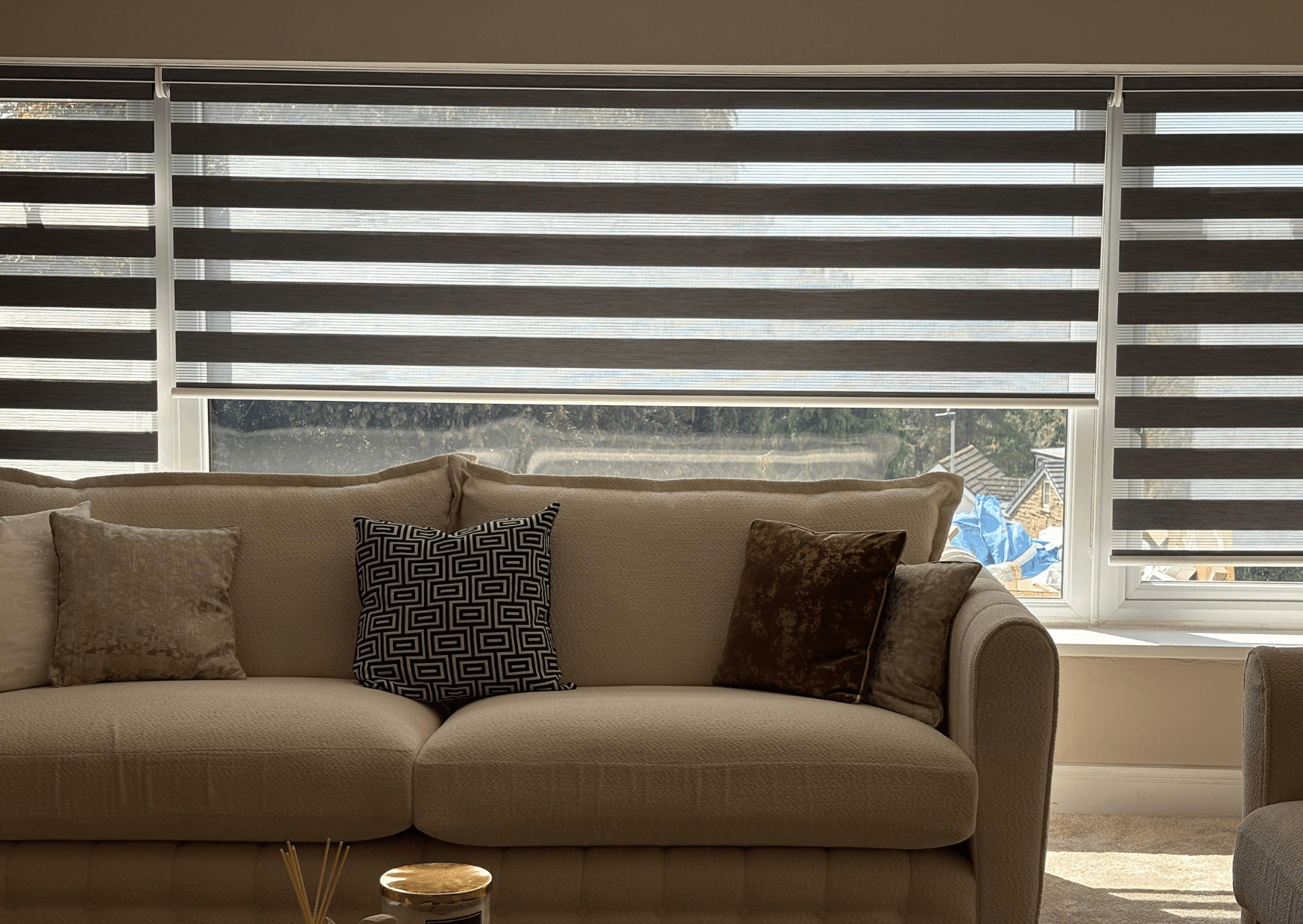
Vision blinds are a window blind designed to adjust light and privacy without constantly rolling the blind up and down. Many people also call them zebra blinds because of the horizontal striped fabric and the way the stripes shift as you operate the blind.
The design uses stripes that alternate between sheer and more opaque sections. As the blind moves, the stripes can line up to create a brighter view, or overlap to create more privacy. That is why people describe them as day and night blinds. You can move between a sheer look, a more private look, and a fully open view.
A helpful way to picture it is this: you are not choosing one single setting. You are choosing a window treatment with more flexibility throughout the day. This can be especially useful when sunlight changes from morning to afternoon, or when you want to reduce glare in the same way you might shift a curtain, but with a cleaner blind finish.
How Do Vision Blinds Compare to Roller Blinds for Day and Night Blinds Light Control?
Roller blinds are simple and effective. They use one piece of fabric that rolls up and down. You choose the fabric based on what you want the blind to do, such as filtering daylight or blocking light. They are a strong option when you want straightforward light control with a clean look.
Vision blinds handle light control differently. Instead of relying only on raising and lowering, they use layers of striped fabric to adjust how light passes through. This is where the day and night blinds idea becomes practical. You can let in soft daylight, gently filters direct sunlight, or shift to a more private setting without fully opening the window.
Here is the comparison in plain terms:
If you want a simple window treatment with a single fabric and a clean finish, roller blinds can be the practical choice.
If you want more control over daylight and privacy throughout the day, vision blinds can offer more flexibility.
If you want to enjoy natural light but reduce glare at certain times, zebra blinds can make that adjustment feel smoother.
Both blinds can be custom made so they fit your windows properly and suit the style of your home.
How Do Two Layers and Alternating Sheer Stripes Create a Privacy Blind That Softens Daylight Whilst Keeping Natural Light?
Many people like the feel of sheer curtains because they soften harsh sunlight. Vision blinds aim to deliver a similar comfort, but with more control and a more structured look. This happens through two layers of fabric that move against each other, creating different levels of sheer and privacy.
When the stripes line up in a more open position, the blind softens daylight whilst still letting the room feel bright. When the stripes overlap, the blind becomes more of a privacy blind, reducing visibility into your home and cutting down on glare.
This layered approach is especially useful for street-facing windows, living areas, and spaces where you want light without feeling exposed.
If you are deciding based on everyday comfort, these are common benefits people look for:
Maintaining privacy while still enjoying daylight
A translucent look that feels softer than a fully opaque blind
Better control over sunlight and glare without losing the view entirely
A gentle transition from day settings to night blinds settings
The key is that the blind gives you options. You can create the balance you want, rather than picking one fixed level of light.
How Can Stylish Fabric, Colours, and Stripes Shape the Window Treatment So It Matches Your Décor?
Blinds sit in your line of sight every day, so the look matters. Vision blinds are often chosen because the stripes add a modern design detail without needing loud patterns. The result can feel stylish and clean, especially when the colours match the room.
A big advantage of a custom made approach is that you can customise the selection to suit your space. On the vision blinds range, you will commonly see a broad fabric collection and plenty of colours to help you match your décor, whether you want warm neutrals, cool greys, or something that feels more striking.
When you are choosing stylish fabric, focus on how the blind will look in real conditions, not just in a catalogue. Ask to view fabric samples and compare them near your windows, because sunlight changes colour and contrast throughout the day.
A quick checklist can help you choose:
Does the fabric suit the room’s style and function?
Do the stripes feel subtle or do they stand out too much?
Does the colour match your walls, flooring, and furniture?
Will the look still feel right at night when indoor light hits the blind?
When form and functionality work together, the result looks intentional, not accidental.
When Are Roller Blinds the Better Choice for Night Blinds, Blockout, and Practicality?
If your top priority is sleep and darkness, roller blinds are often the easiest option to get right. With roller blinds, you can choose a blockout fabric that is designed to cut down light strongly, making them a popular choice for bedrooms, media rooms, and shift-worker households.
Roller blinds also appeal to people who want simplicity. One fabric, one movement, clear results. They can suit many rooms, and the maintenance is often straightforward, which adds to practicality.
Roller blinds can be a strong choice when:
You want a night blinds setup that supports darker sleep
You prefer a plain finish rather than stripes
You want a clean look that blends into the room
You have a space like bathrooms where you want a practical, moisture-friendly option
You want a simple window treatment that operates in a familiar way
That said, roller blinds do not offer the same mid-position privacy adjustments as vision blinds. With rollers, you usually choose a fabric type and live with that level of filtering until you raise or lower the blind.
What Range Details Should You Know About Vision Blinds, Including Width, Headbox Options, and Colour Choice?
If you want your article to be fully aligned with what is actually offered, it helps to include the specific range details that matter to homeowners when they compare options.
For vision blinds, the range commonly highlights practical features such as:
A 3 variations in 1 approach for flexible light and privacy
Suitability for wider windows, with sizes available up to 2700mm wide depending on the configuration
A broad choice of colours, commonly listed as up to 40 colour options
A headbox cassette finish, often available in a choice of four colours
Optional motorised operation using remote control for easier control and convenience
These details matter because they move the conversation from generic zebra blinds are nice to real decision-making. Width influences whether a blind suits your windows. Colour choice affects how well it matches your décor. Headbox finishes affect how clean the top of the blind looks. Motorised options can change day-to-day comfort, especially for tall windows or hard-to-reach spaces.
When you book an appointment and request a quote, it becomes much easier to compare options based on your exact room, your measurements, and how you want the blind to function in your home.
How Do You Choose Perfect Blinds for Each Room, Including Bathrooms, to Reduce Glare and Control Light?
The best comparison content does not stop at features. It helps you choose based on how you live. A blind that feels perfect in a bright living room may not be the perfect choice for a bedroom, and the best option for a bathroom may prioritise privacy and practicality above everything else.
Here are room-based tips that keep the decision simple:
Living rooms: Vision blinds can gently filters shifting sunlight and help reduce glare while keeping the room bright and stylish.
Bedrooms: Roller blinds with blockout fabric often suit sleep needs better, especially when you want a more opaque finish.
Street-facing windows: Vision blinds can act as a privacy blind while still allowing daylight, which many people prefer over closing curtains all day.
Bathrooms: Choose blinds that suit moisture and privacy needs, and consider whether a simpler roller blind makes more sense for the room’s function.
Home offices: If screen glare is a problem, vision blinds can help manage light in smaller steps through the day.
When you are comparing, think about control first, then design. You can always choose colours and fabrics once you know the level of privacy and light control you need.
How Can Vision Blinds Deliver Benefits in Form and Functionality as an Innovative Window Blind Choice?
Vision blinds work well for homeowners who want a modern look that still feels soft. They can bring a balance of sheer comfort and blind structure, offering more choice across the day than many people expect from a single window treatment.
If you want a summary that makes the decision easier, use this as your final guide:
Choose vision blinds if you want day and night blinds flexibility, a stylish fabric look, and a smoother way to manage privacy and light without constantly raising the blind.
Choose roller blinds if you want a simple blind, strong blockout performance for night blinds, and a clean look that is easy to match.
In the end, the right option is the one that suits your room, your windows, and your daily routine. The best outcomes usually come from seeing the range in person, viewing fabric samples, and getting a custom made recommendation based on your space. When you can compare options side by side, the decision feels clearer, and your final choice looks and functions the way you expected.
If you want expert help comparing vision blinds and roller blinds for your home, visit Premier Shades to book an appointment, explore the range, and request a free in home measure and quote so you can choose with confidence.
Works Cited
“Premier Shades.” premiershades.com.au, https://www.premiershades.com.au/. Accessed 11 Jan. 2026.
“Vision Blinds.” premiershades.com.au, https://www.premiershades.com.au/vision-blinds.html. Accessed 11 Jan. 2026.
“Roller Blinds.” premiershades.com.au, https://www.premiershades.com.au/roller-blinds.html. Accessed 11 Jan. 2026.
“Shading.” YourHome, https://www.yourhome.gov.au/passive-design/shading. Accessed 11 Jan. 2026.
“Sun Protection Using Shade.” ARPANSA, https://www.arpansa.gov.au/understanding-radiation/radiation-sources/more-radiation-sources/sun-protection-shade. Accessed 11 Jan. 2026.
“Guide on Exposure to Solar Ultraviolet Radiation.” Safe Work Australia, https://www.safeworkaustralia.gov.au/resources-and-publications/guides/guide-on-exposure-to-solar-ultraviolet-radiation. Accessed 11 Jan. 2026.
Frequently Asked Questions:
What are vision blinds and why are they also called zebra blinds?
Vision blinds are a window blind made with horizontal striped fabric that shifts between sheer and more opaque stripes for flexible privacy and light control. Many people call them zebra blinds because of the striped look and the way the stripes align.
How do day and night blinds work for privacy and natural light?
Day and night blinds use alternating sheer and opaque sections to change how much daylight comes through. You can softly filter sunlight for daytime comfort, then shift the layers for a more private setting without fully raising the blinds.
Are roller blinds better than vision blinds for blockout and night blinds needs?
Roller blinds can be the better option when you want a straightforward blockout result for bedrooms and night blinds use. Because they use one fabric panel, it is easier to choose a fully opaque blockout fabric for darker sleep.
Can vision blinds help reduce glare while still keeping the room bright?
Yes. Vision blinds can gently filters harsh light by aligning the stripes to soften daylight whilst maintaining natural light. This can help reduce glare in living rooms, home offices, and street-facing spaces.
How do I choose the right custom made blinds for my room and décor?
Start with the room’s purpose and the level of privacy and light control you need. Then choose the fabric, colours, and finish that match your style. For the best fit and functionality, it helps to book an appointment and request a quote so the blinds suit your windows and space.
| Tags:Blinds |