
Ziptrak Internal Blockout Blinds: Track-guided Room-darkening, Insulation, and Cord-free Child-safe Control?
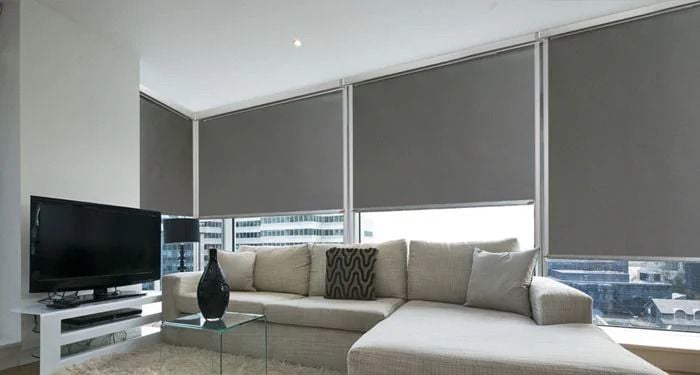 "Ziptrak Internal Blockout Blinds: Track-guided Room-darkening, Insulation, and Cord-free Child-safe Control?")
What makes Ziptrak internal blockout blinds a revolutionary advance in interior blinds and blockout blinds?
If you have ever installed interior blinds and still felt bothered by glare, side light leaks, or blinds that never quite sit straight, you are not alone. Many households want blockout blinds that actually block light, not just soften it. That is where Ziptrak internal blockout blinds stand out as a revolutionary advance for everyday living.
Unlike many other blinds that hang free and can sway, crease, or leave visible gaps, this interior blind system is designed to sit neatly in place. The idea is simple: a track-guided system holds the blind material at the sides, creating a more sealed surface than typical internal blind options. The result is stronger light control, fewer light gaps, and a cleaner look that suits modern interiors.
This is not just about appearance. It is about creating living spaces that feel more comfortable, more private, and easier to manage, especially when direct sunlight hits big glass areas. It is also about practicality. Nobody wants to wrestle with heavy blinds, or deal with flimsy cords to pull, or worry about cords or chains around children and pets.
With Ziptrak interior blinds, the focus is on a slim and discreet system that integrates neatly with your existing window frame. It is a blind system that aims to support a comfortable life indoors while still keeping your home looking tidy and intentional.
How does a slim and discreet system and track guided blind system reduce light gaps for light control?
Light gaps are one of the biggest frustrations with standard interior blinds. You might choose blockout blinds expecting a darker room, then find bright strips of light coming through the sides or around the edges. Even a small gap can feel huge when you are trying to sleep, focus, or watch a screen.
A slim and discreet system helps by fitting closer to the window frame and guiding the blind material so it stays in position. With Ziptrak internal blockout blinds, the track-guided blind approach is designed to keep the fabric edge controlled along the sides, which helps with preventing light from slipping through.
Here is how that supports better light control in real homes:
Less side leakage: the track-guided setup helps reduce those bright lines that appear at the edges.
More consistent coverage: the blind blocks light more evenly across the window.
A neater finish: a discreet system looks cleaner, especially in modern interiors with large glass panels.
Better everyday use: when a blind system works smoothly, you are more likely to use it properly rather than leaving it half-open and annoyed.
If your goal is a light-proof space, light control is not only about the fabric. It is also about how the internal blind sits against the window frame and how well the edges are managed. That is why the design of track-guided blinds matters so much.
How does the track-guided system secures the fabric edge with vertical tracks and a channel system?
The track-guided system is the heart of ziptrak interior. It is the difference between a blind that “covers a window” and an interior system that feels secure, stable, and reliable.
In this interior blind system, vertical tracks run down the sides of the existing window frame. The fabric edge is held within these tracks, supported by a channel system that guides movement up and down. In everyday terms, the track-guided system secures the blind material so it stays aligned as you operate it.
This matters for three reasons:
Smooth operation: when the fabric is guided, it does not drift sideways or bunch up.
Better light control: keeping the fabric edge in place helps reduce light gaps.
Reliable performance: the blind system feels sturdier because it is supported rather than hanging loose.
A well-designed interior system also considers how the bottom bar sits at the base. When the blind is lowered, the bottom bar helps create a more closed finish at the bottom edge, especially when paired with a sealed surface effect along the sides.
If you are comparing with other blinds, focus on this practical question: does the blind material stay controlled and supported, or does it float and shift? Track-guided blinds are built for that controlled fit, which is why many people see it as an upgrade from more basic internal blind styles.
How can an internal blind create a light-proof space for a media room and home theatre rooms?
A media room is where light problems become obvious fast. Glare on a screen can ruin the experience, and even small light gaps can be distracting when you are watching something dark or cinematic. That is why many people use Ziptrak internal blockout blinds to help create a light proof space for home theatre rooms.
With a track guided system, the blind blocks light more effectively at the sides than many standard interior blinds. That means:
Less glare from direct sunlight
Less “edge glow” from streetlights at night
A darker, calmer viewing environment
Better control for a spontaneous movie afternoon
This can also matter in multi-purpose living spaces. Many households do not have a dedicated cinema room. Instead, the living rooms do double duty. In that situation, you want an internal blind that looks neat during the day and still gives advanced light blocking when you need it.
A helpful way to plan a media room setup is to think through how you will use it:
Daytime viewing: prioritise strong light control to reduce glare.
Evening viewing: reduce light gaps to manage street lighting and neighbour lighting.
Comfort: choose an interior blind system that feels simple to operate so you actually use it.
Consistency: aim for a blind system with reliable performance so the experience feels the same each time.
When the blind moves with one effortless glide, the whole room becomes easier to manage. That convenience is often what turns a “nice idea” into something you use every day.
How do interior blind fabric choices, including open weave translucent fabric and reflective backing, manage direct sunlight?
Fabric choice is where function meets personal style. Not every room needs complete darkness, and not every household wants the same look. That is why an extensive range of options matters, including both blockout blinds and lighter, light-filtering styles.
For Ziptrak internal blockout blinds, there are a few key approaches:
Blockout blinds: best for bedrooms, nurseries, and home theatre rooms where you want strong room-darkening.
Open weave translucent fabric: helpful when you want to keep some daylight while softening glare, supporting light filtering rather than full blockout.
Reflective backing: designed to bounce direct sunlight away, which can improve sun protection and help rooms feel cooler.
If your windows face harsh afternoon sun, reflective backing can make a noticeable difference, especially on large windows. By helping to bounce direct sunlight, the interior system can support comfort without making the room feel like a cave.
Also consider the fabric utilised and how it behaves in daily life:
Does it wipe clean easily?
Does it hold its shape well over time?
Does it suit the colour palette of your modern interiors or traditional interiors?
Does it work with the operation style you prefer?
Your blind material is doing more than decorating a window. It is shaping how your living spaces feel at different times of day, and how well you can control light when it matters.
How can superior insulation and an air pocket significantly enhances insulation performance and energy efficiency?
Many people think about blinds mainly for privacy and light control, but comfort is often the bigger story. Windows can be a weak spot for heat and cold. When sun hits glass, indoor temperature rises quickly. When nights get cooler, rooms near windows can feel chilly.
A track-guided interior blind can help because it supports a closer fit and can create an air pocket between the glass and the internal blind. That air pocket acts like a buffer zone. When the blind closes, the trapped layer of air can support superior insulation and reduce how quickly indoor conditions change.
This is why people often notice that a track-guided system significantly enhances insulation performance compared with looser blinds. Over time, improved insulation performance can support energy efficiency by reducing how hard heating and cooling systems need to work.
In practical terms, you might notice:
More even comfort in living rooms and bedrooms
Less “hot blast” feeling near sunlit windows
Less cold draught sensation near glass in cooler weather
A better chance of reducing energy bills
The goal is not perfection. The goal is a steadier indoor environment and a more comfortable life indoors. When your window furnishings ziptrak approach helps stabilise temperature, the benefits can feel just as important as room-darkening.
How do cords or chains compare with a patented spring-balanced system for effortless glide and smooth operation?
One of the biggest day-to-day differences people notice is how the blind operates. Many traditional interior blinds rely on cords or chains. Over time, those can feel annoying, especially when they tangle, snag, or wear out. People also worry about safety, particularly with flimsy cords to pull in family homes.
A patented spring-balanced system is designed to avoid those issues. With a spring-balanced system, you can raise or lower the blind and stop it at the height you want. It is built for smooth operation and effortless control, so the blind does not feel heavy or difficult.
Here is what that means in real use:
No cords or chains: simpler, cleaner, and easier to live with.
Effortless glide: the blind moves with one effortless glide instead of repeated pulling.
Flexible positioning: stop the blind where you want for privacy and light control.
Successful operation: consistent movement helps protect the fabric edge and overall interior system.
Some households also prefer a motorised system for maximum convenience. A motorised system can be especially helpful for large windows, multi-window rooms, or places where you want quick, consistent light control without manual handling.
Whether you choose spring-balanced or motorised system operation style, the aim is the same: smooth, reliable performance that feels easy, not fiddly.
What is the conclusion on Ziptrak internal blockout blinds for shift workers, media room comfort, and modern interiors?
If you are a shift worker, a light sleeper, or simply someone who values rest, the ability to control light is not a luxury. It is part of feeling okay in your own home. Bright mornings, streetlights, and unpredictable glare can all disrupt sleep and comfort. In that situation, ziptrak internal blockout blinds can be a practical solution because they focus on both the fabric and the fit.
By using a track-guided system, this new interior blind system is designed to reduce light gaps and support advanced light blocking. The track-guided system secures the blind material, helping it sit neatly within the window frame instead of drifting like other blinds. When combined with blockout blinds, that fit can help create a light-proof space in bedrooms and a media room, making home theatre rooms feel more usable.
It also supports comfort beyond darkness. The air pocket effect and closer fit can contribute to superior insulation and exceptional insulation outcomes, which helps support energy efficiency. With reflective backing options that bounce direct sunlight, the system can also support sun protection and reduce heat build-up in living spaces.
If you want Ziptrak internal blockout blinds that deliver dependable light control, a slim and discreet system, and an interior blind setup designed for smooth operation, visit Premier Shades to explore options and request expert help for your home.
Final Thoughts
Ziptrak internal blockout blinds are best understood as a practical interior system, not just a decorative covering. They are designed to solve everyday problems: glare, light leakage, awkward cords, and rooms that feel too hot or too cold near windows. With a track-guided blind system, a spring-balanced approach that avoids cords or chains, and fabric choices that support both room-darkening and light filtering, they can help modern interiors feel calmer, more comfortable, and easier to manage. Whether you are setting up a media room, improving bedrooms for shift workers, or simply upgrading large windows in living rooms, the right internal blind system can make your home feel better, day and night.
Works Cited
Australian Government. “Blinds, Curtains and Window Fittings Guide.” Product Safety Australia.
Australian Government. “Blinds, Curtains and Window Fittings Mandatory Standard.” Product Safety Australia.
Australian Government. “Shading.” Your Home.
CSIRO. “Our Top Tips on Renovating or Retrofitting for Energy Efficiency.” CSIRO.
CSIRO. “Keeping Your Older House Warm Without Breaking the Bank.” CSIRO.
Fitton, Robert, et al. “The Thermal Performance of Window Coverings in a Whole House Test Facility with Single-Glazed Sash Windows.” Journal of Building Physics, vol. 42, no. 1, 2017, pp. 84-103. Accessed 20 Jan. 2026.
Premier Shades. “Ziptrak Internal Blockout Blinds.” Premier Shades, www.premiershades.com.au/ziptrak-internal-blockout-blinds.html. Accessed 20 Jan. 2026.
Frequently Asked Questions:
What are Ziptrak internal blockout blinds?
How do Ziptrak interior blinds reduce light gaps for better light control?
Why are Ziptrak internal blockout blinds a good choice for a media room or home theatre rooms?
How can this interior blind system significantly enhances insulation performance and energy efficiency?
What fabric options are mentioned for managing direct sunlight and comfort indoors?
| Tags:Blinds |